
White Pine Gathering Circle
A Wampanoag-Designed Monument for Boston
The White Pine Gathering Circle is a proposed public monument for Scarboro Hill in Franklin Park. Led by SmokeSygnals in collaboration with the Wampanoag Consulting Alliance and the City of Boston, the project is being shaped through a community-driven process grounded in Wampanoag voices, stories, and values.
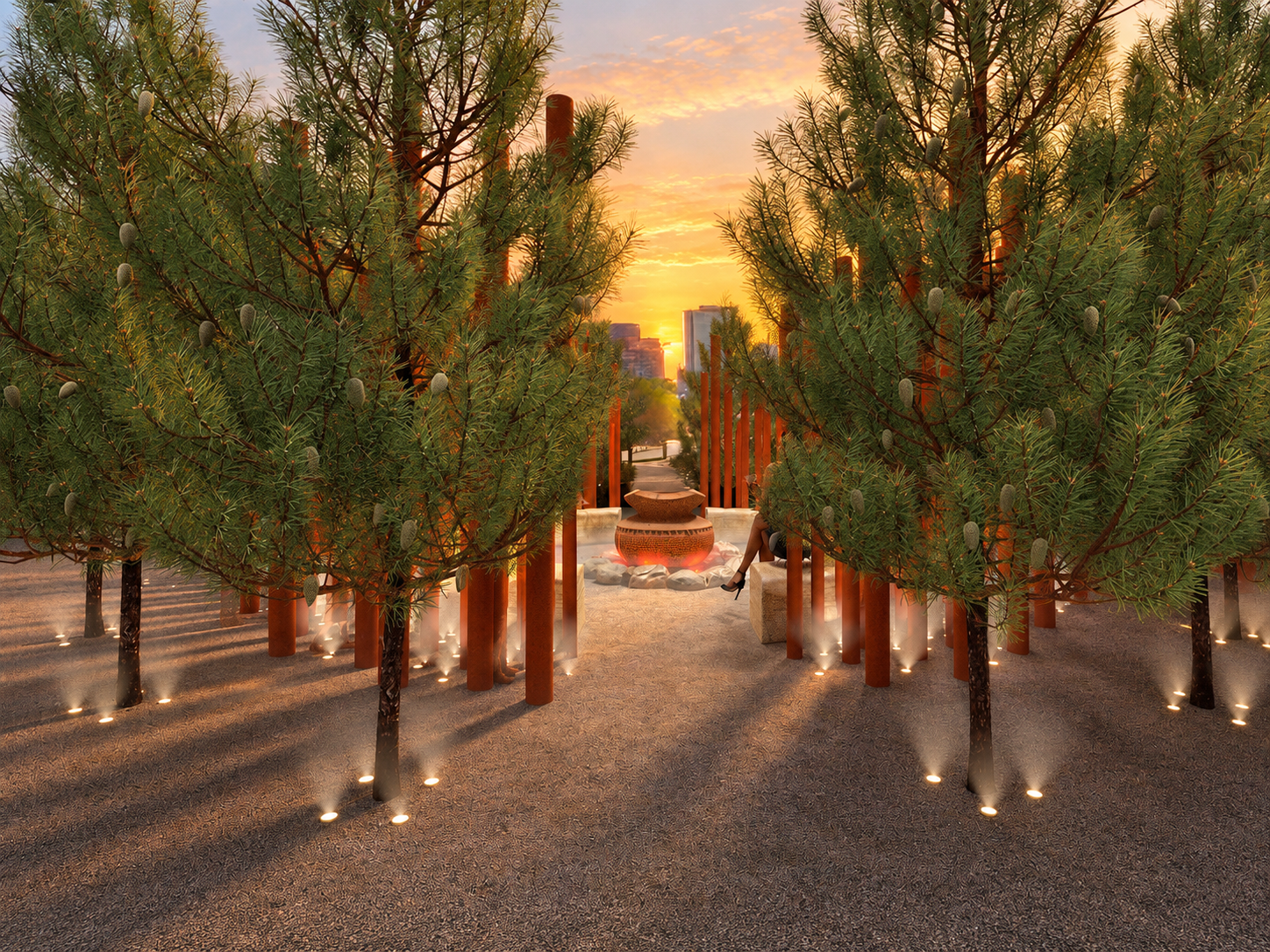
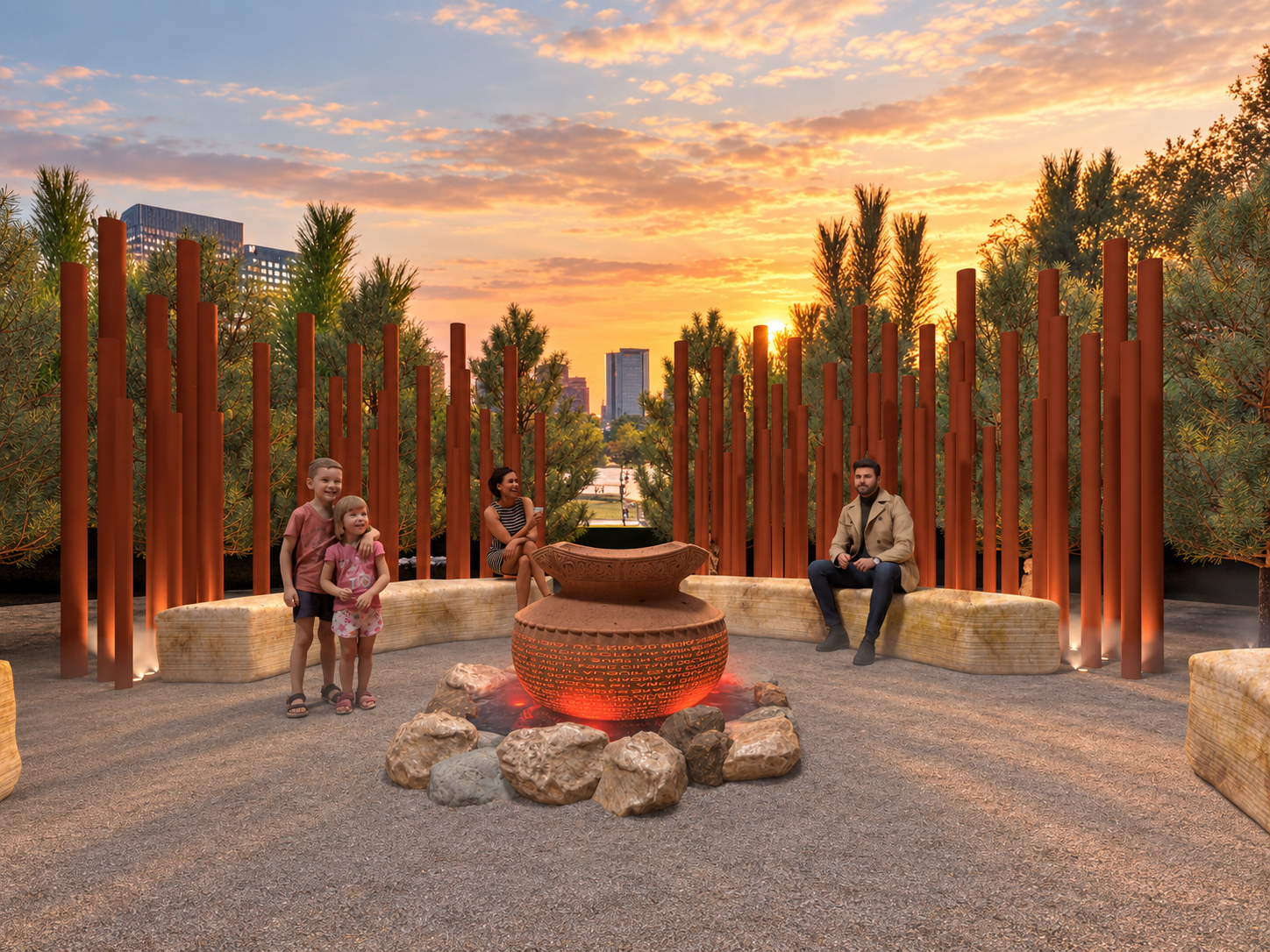
The design centers the Wampanoag Creation Story and the enduring relationships among people, land, water, and future generations. More than an object to be viewed, the White Pine Gathering Circle is envisioned as a welcoming place for gathering, teaching, reflection, and intertribal connection.
Meet Us at Indigenous Peoples Day Newton
Join us at the 6th Annual Indigenous Peoples Day Newton Ceremonial Celebration to learn about the White Pine Gathering Circle, see how community voices shaped the design, and talk with members of the project team.
Monday, October 12, 2026
11:00 AM to 5:00 PM
Albemarle Field
250 Albemarle Road, Newton, Massachusetts
The celebration is free, family-friendly, and open to everyone. It will feature Indigenous ceremony, music, dance, storytelling, artists, vendors, cultural presentations, and community organizations.
Public Design Unveiling
Join us for the public unveiling of the White Pine Gathering Circle design and learn how feedback from the Mashpee, Aquinnah, and Herring Pond Wampanoag communities shaped the monument.
The program will include a presentation of the revised design and a participatory cultural presentation by the Wampanoag Singers and Dancers.
Sunday, October 18, 2026
2:00 PM
Scarboro Hill, Franklin Park, Boston
Free and open to the public.
A Design Shaped by Community
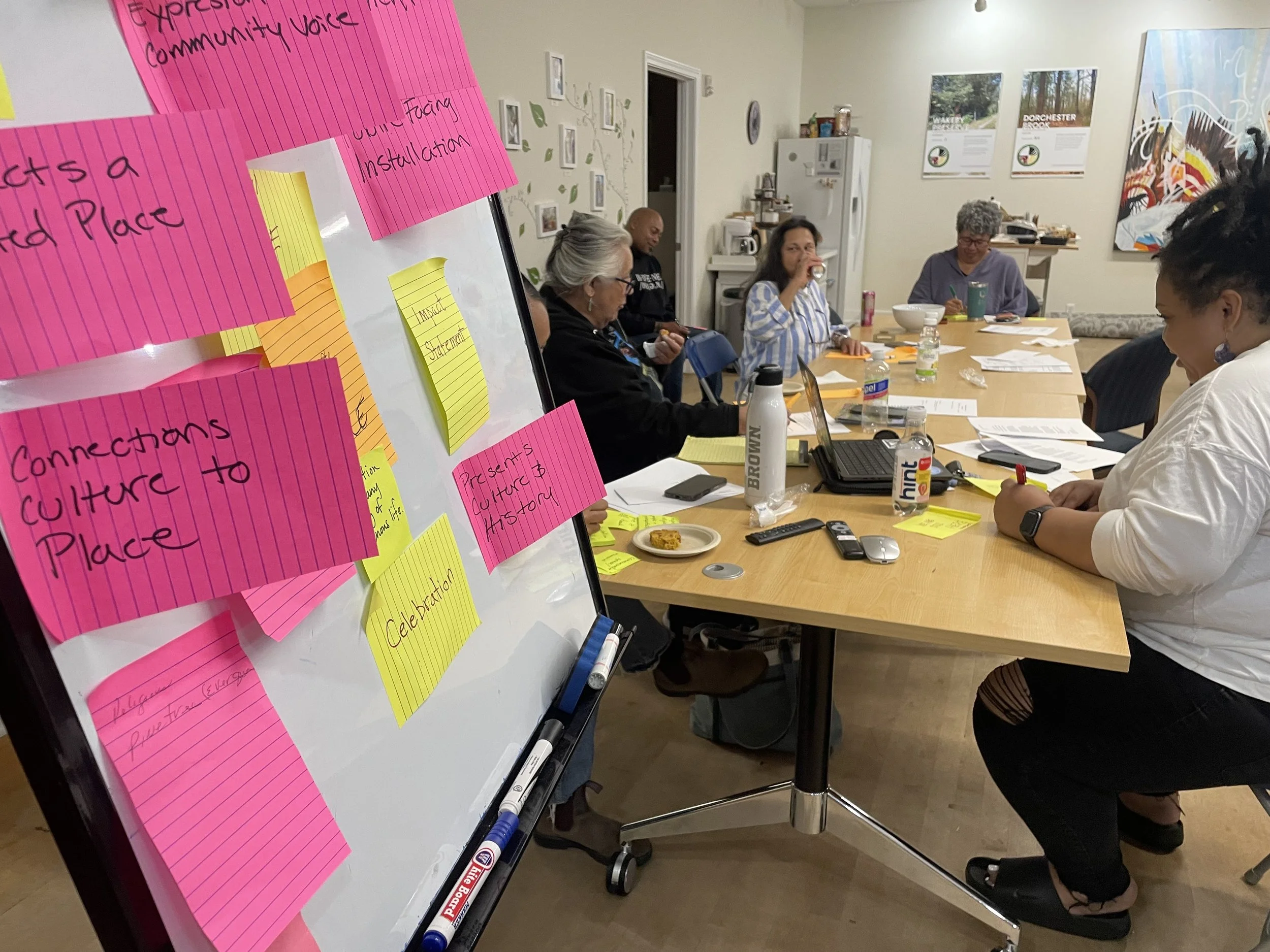
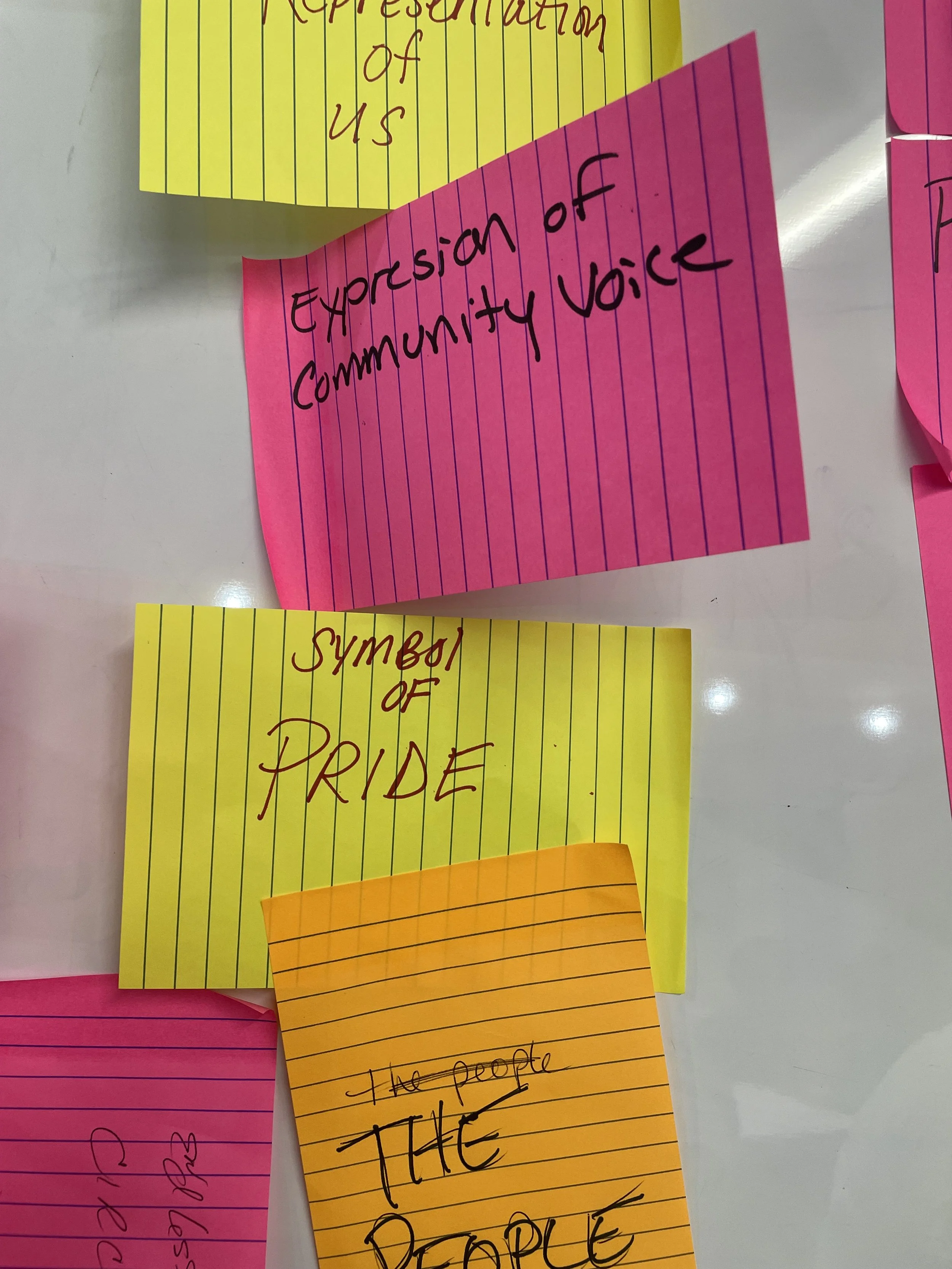
The process began with questions rather than a predetermined design: What should an Indigenous monument represent? What stories should it carry? How should people experience it? What responsibilities should it have to the generations that come after us?
Representatives from the Mashpee, Aquinnah, and Herring Pond Wampanoag Tribes participated in workshops, advisory meetings, and design reviews. Throughout the process, participants called for a monument that:
Shares the Creation Story through Wampanoag voices
Reflects Wampanoag relationships with land and water
Represents a living culture rather than placing Indigenous people only in the past
Creates space for gathering, ceremony, teaching, and reflection
Welcomes the public while remaining grounded in Wampanoag knowledge
Recognizes the many Wampanoag communities that have existed across the region
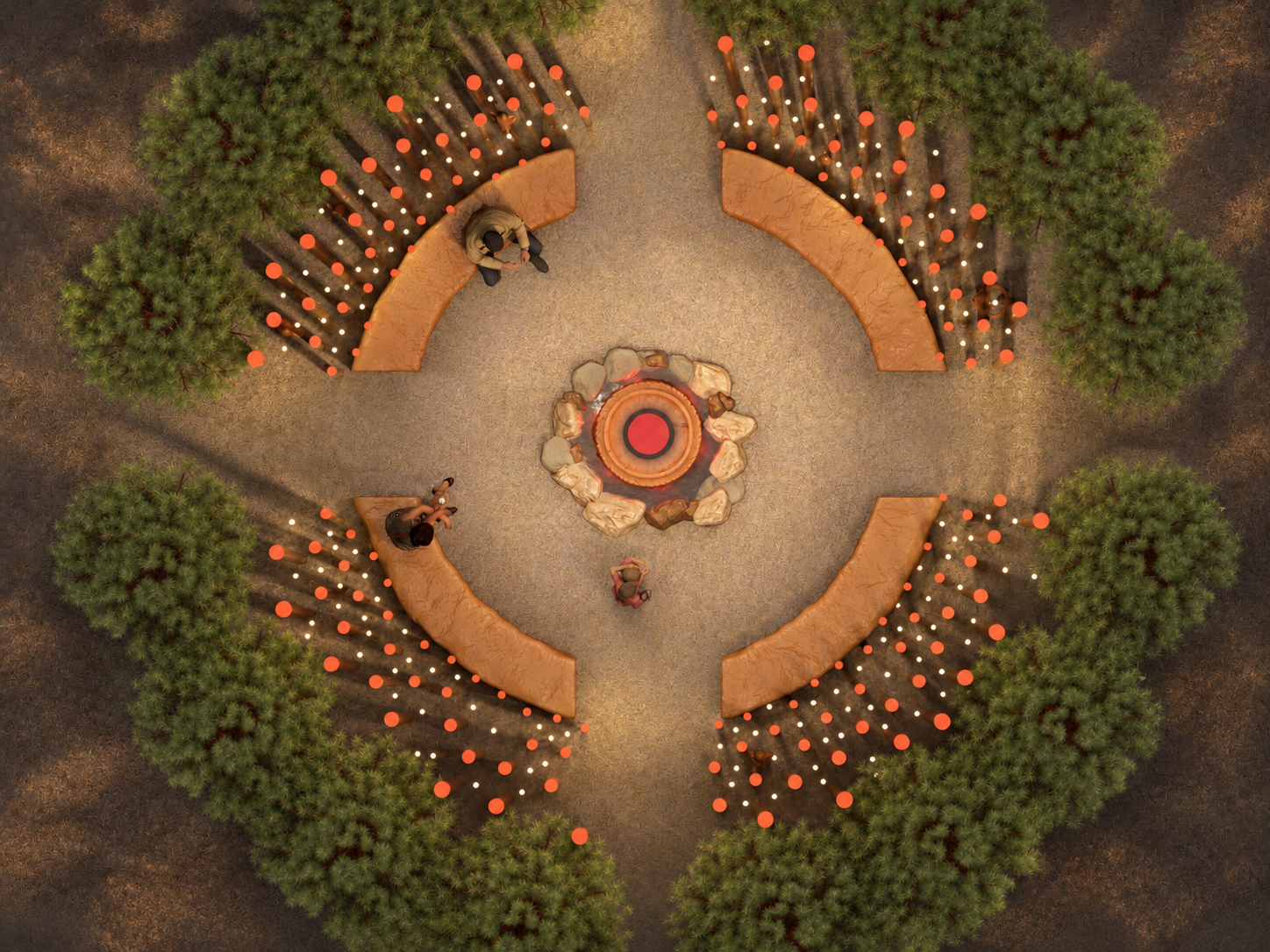
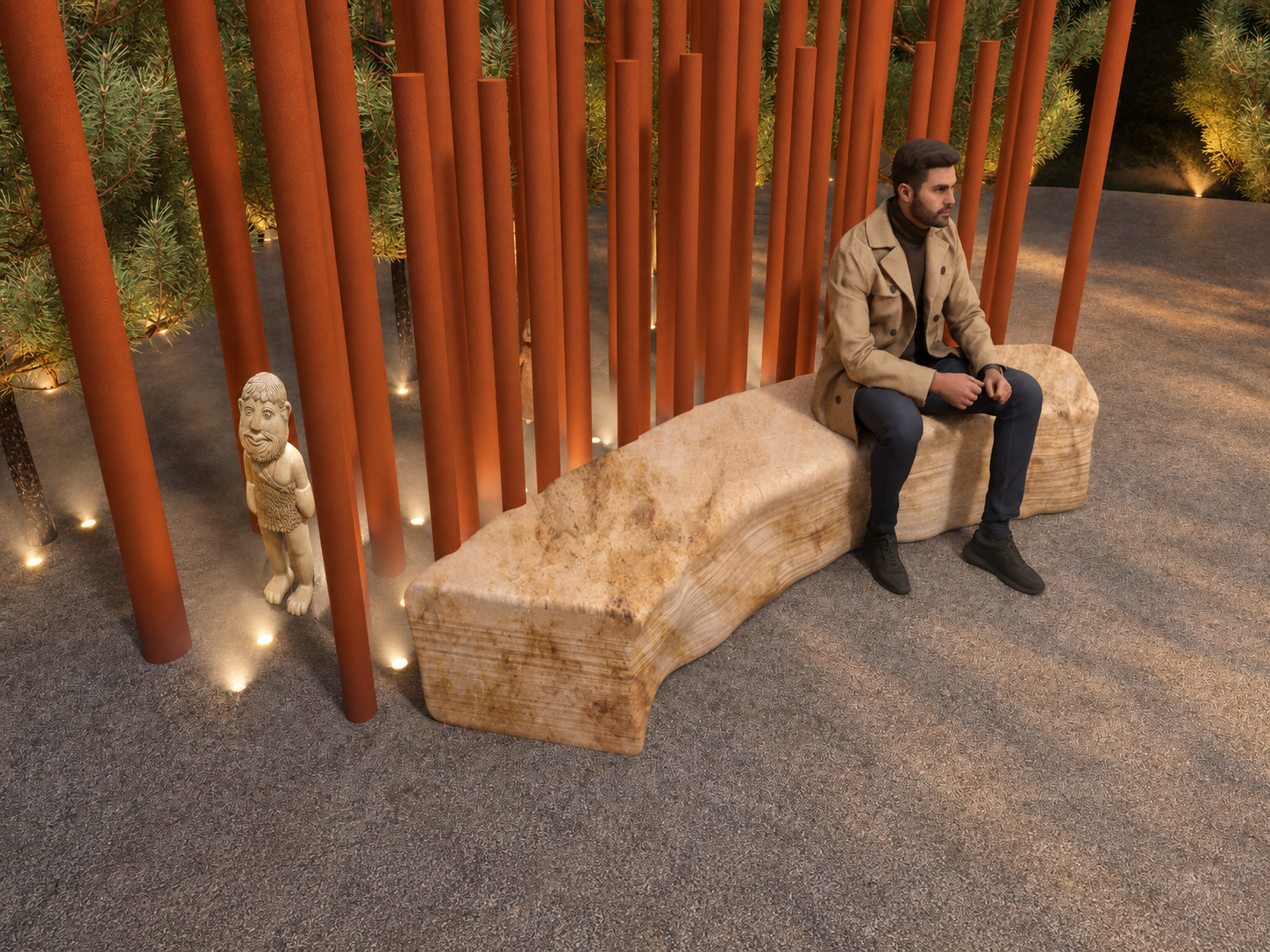
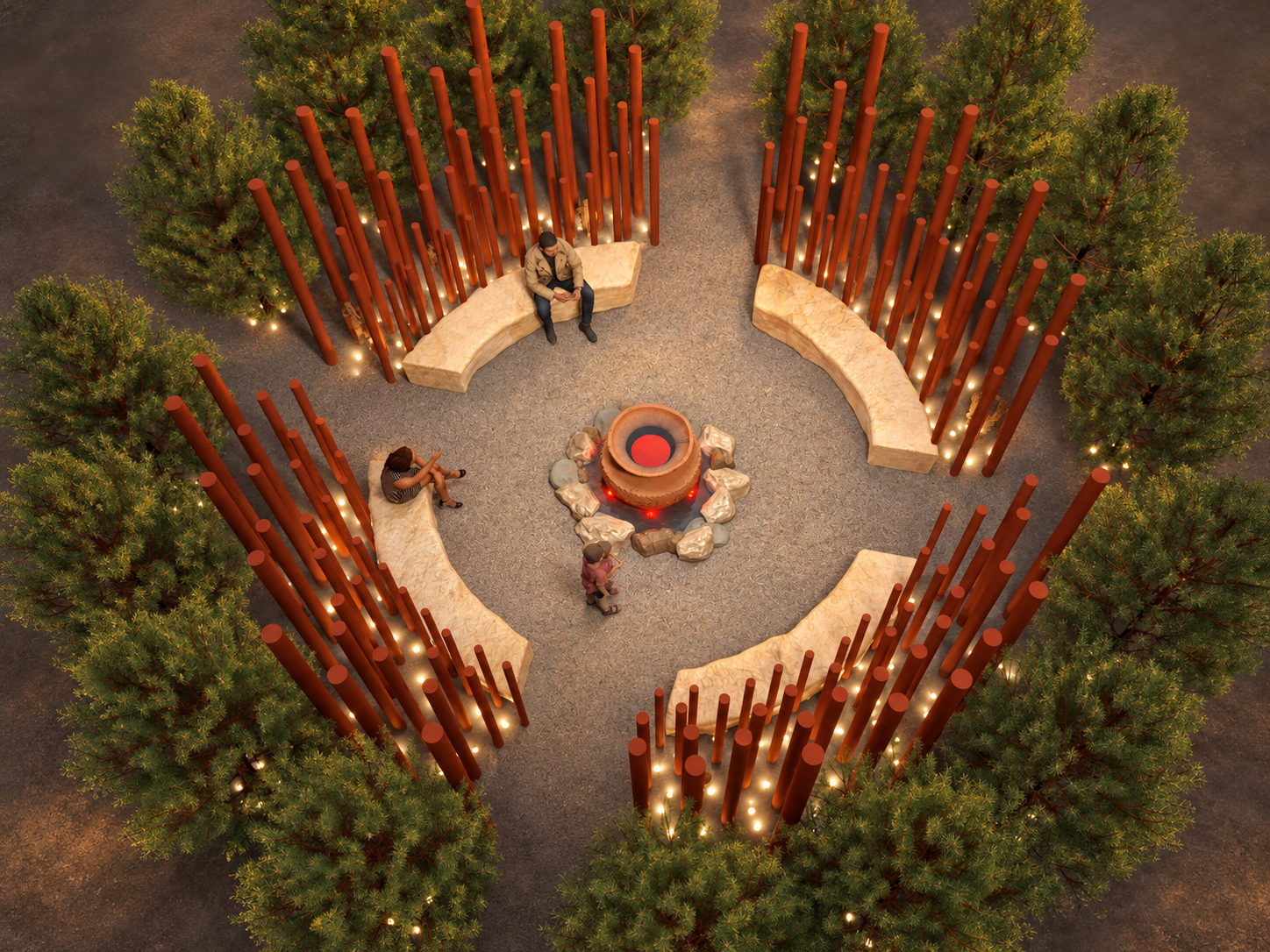
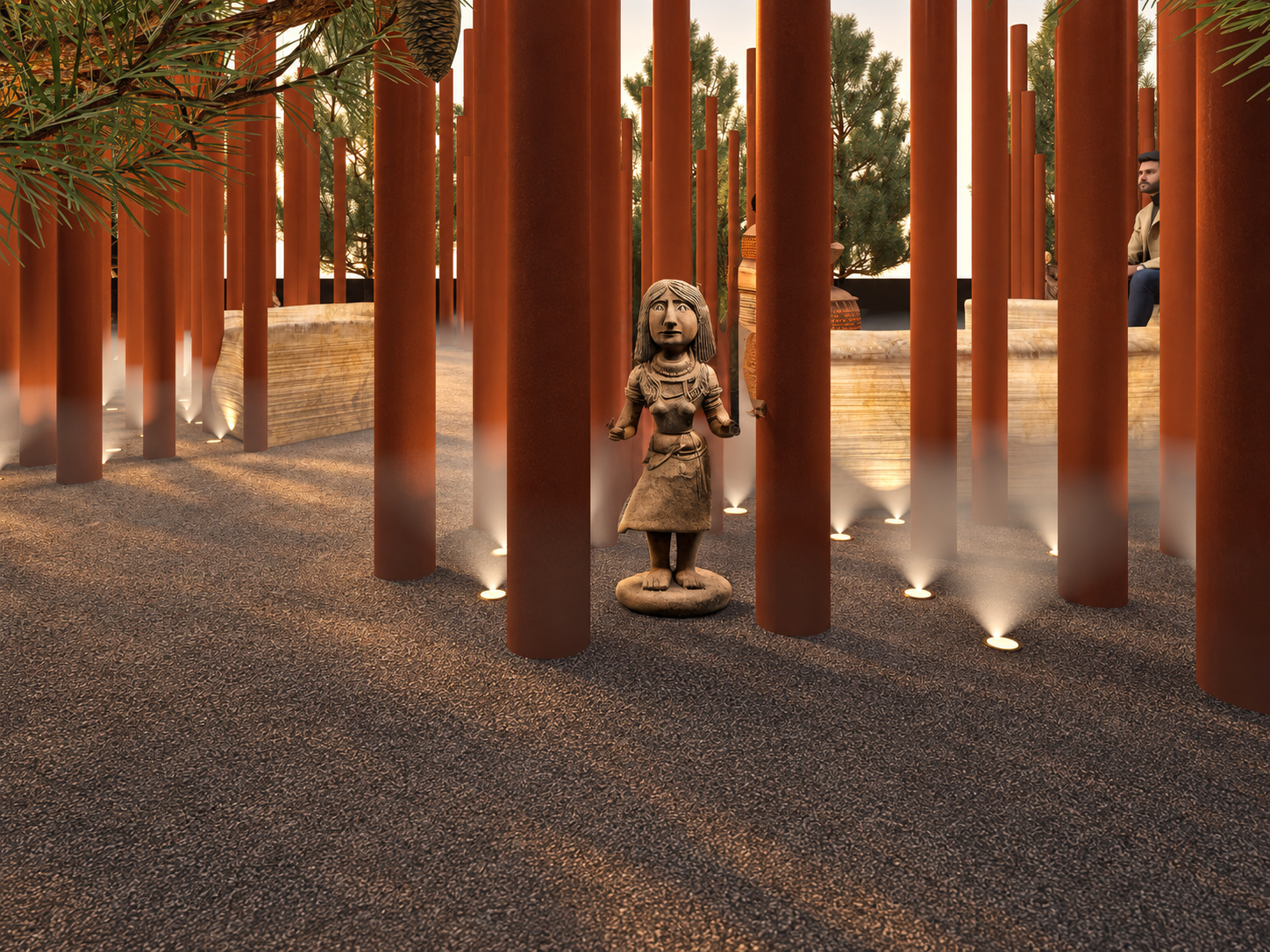
These ideas became the foundation of the selected design. Living White Pines form the outer circle. An inner circle of weathered steel columns recalls cedar trees. At the center, a large coil clay pot evokes Maushop and the Creation Story. Stone seating, water, inscriptions, and small stone Puckwudgies invite visitors to move through the space, encounter the story, and gather together.
Democratizing Public Art: An Essential Process
Public monuments have often been created through processes in which institutions or individual artists make the most important decisions before communities are invited to respond. The White Pine Gathering Circle tests a different model.
Community members helped define the monument’s meaning, purpose, and visitor experience from the beginning. A Tribal advisory committee carried those ideas through the selection process. SmokeSygnals translated that direction into a physical design, brought the concept back to Tribal communities, and is now incorporating their feedback into its continued development.
This is what democratizing public art can look like: shifting authorship and decision-making toward the people whose cultures, histories, and experiences are being represented.
The First of Many
The White Pine Gathering Circle may become Boston’s first Indigenous monument, but being first should represent a beginning, not an endpoint.
This project is also a pilot for a process that other Tribes and Indigenous-led organizations can adapt to create their own monuments throughout Boston and Massachusetts. The process can be repeated, but the stories and designs should remain distinct, reflecting the identities, histories, and priorities of each community.
The White Pine Gathering Circle is not intended to speak for every Indigenous people. It is a Wampanoag-designed place that can help open the door for many more Indigenous communities to shape how they are represented in the public landscape.
What Comes Next
The project team will continue refining the design in response to Tribal feedback, sharing the process with the broader public, and preparing for the next phase of development.
Visit us at Indigenous Peoples Day Newton to experience the project, meet the team, and learn how community voices are changing the way public art is created.
For questions, contact Steven Peters at steven@smokesygnals.com.
This work is made possible through the Mayor’s Office of Arts and Culture’s Un-monument initiative, supported by a grant from the Mellon Foundation.